


Marketing automation isn’t a “nice to have” anymore. For large organizations under pressure to do more with less, it has become a strategic infrastructure requirement. Adoption continues expanding rapidly as enterprises integrate automation into core revenue operations; roughly 76% of companies now use automation tools in some capacity. For enterprises, that’s a vote of confidence from peers and competitors alike.
Engineering leaders don’t need another abstract explanation of what is marketing automation or a marketing team’s checklist. They need a grounded view of how marketing automation software fits into distributed systems, affects engineering teams, and impacts enterprise outcomes. This guide preserves the practical language of marketers while embedding the operational context enterprise leaders care about: integrations, data flows, dependency management, and measurable impact on revenue operations.
What Marketing Automation Is in an Enterprise Context
Defining Marketing Automation
Marketing automation refers to the use of software to execute, manage, and measure marketing campaigns across multiple channels while reducing manual work. At its core, it’s about eliminating routine marketing tasks and orchestrating customer engagements using customer data so teams can focus on strategy rather than execution.
For small teams, that might mean scheduling email marketing automation. In large enterprises, it’s about consistent campaign execution across channels, real-time data synchronization with CRM systems, and reliable flows of customer behavior data into analytics platforms.
How Marketing Automation Works
At a technical level, marketing automation platforms integrate with systems such as CRM, customer data platforms (CDP), analytics services, and advertising networks. The goal is to deliver relevant content to prospects and customers at the right touchpoint and marketing channel based on customer behavior.
This typically involves:
- Tracking interactions across email, web, social, and advertising channels.
- Applying rules or AI-driven logic to trigger workflows.
- Syncing lead status and scoring to core revenue systems (CRM/ERP).
An enterprise deployment is not plug-and-play; it requires careful design of data models, APIs, error-handling pathways, and governance controls so automation doesn’t introduce instability into production data flows.
Why Senior Engineering Leaders Should Care
Outcomes Over Features
Enterprise leaders are less interested in feature lists and more interested in outcomes like:
- Consistent lead generation across regions and business units.
- Reduction of manual error and execution risk.
- Clear data flows into the sales process.
- Alignment between marketing and sales efforts.
The hard benefit is measurable: organisations using automation see dramatically more qualified leads. In fact, companies leveraging automation for lead nurturing have reported up to 451% more qualified leads compared with manual processes.
Risk Reduction and Delivery Velocity
Marketing systems are part of the broader enterprise technology ecosystem. When automation is implemented thoughtfully:
- Key lead and customer journey data flows reliably into CRM systems.
- Duplicate data or inconsistent lead scoring is minimized.
- Marketing campaigns execute without engineering intervention once integrations are stable.
This reduces operational risk and frees internal teams to focus on higher-value work—not firefighting routine integrations or manual workarounds.
Engineering’s Role in Deployment
Engineering teams often get pulled into automation projects at key junctures:
- Designing scalable API integrations.
- Ensuring identity resolution across disparate data sources.
- Implementing robust monitoring, logging, and rollback paths.
- Collaborating on data governance and compliance requirements.
Unlike smaller marketing deployments, enterprise automation typically involves shared responsibility between marketing ops, IT, and engineering.
Core Capabilities of Marketing Automation Platforms
Marketing automation is not a monolith; it’s a set of interlocking capabilities that support marketing campaigns at scale:
Cross-Channel Campaign Management
Effective platforms enable teams to launch and manage campaigns across:
- Social media
- Digital advertising
- SMS and messaging apps
Centralized workflows help ensure consistent marketing messages are delivered on schedule without manual coordination.
Customer Data and Personalization
Automation works best when it has clean, unified customer data:
- Segmenting audiences by behavior or profile.
- Applying personalized rules for content delivery.
- Tracking interactions in real time to refine journeys.
As of 2024, data shows a growing emphasis on linking automation systems with CDPs and CRMs to maximize this capability.
Eliminating Manual and Repetitive Tasks
One of the clearest benefits of marketing automation is time savings. Automation tools free teams from manual tasks—scheduling emails, tracking responses, updating lead statuses—so strategy and creativity can take priority.
Strategic Benefits for Sales and Marketing Operations
Marketing automation isn’t just another SaaS tool. When implemented well, it changes how marketing and sales teams operate together.
Aligning Marketing and Sales
Shared data and workflows help ensure that leads move from marketing to sales with clear scoring, history, and context. This alignment reduces friction, speeds up the sales funnel, and improves conversion quality.
Supporting Customer Retention
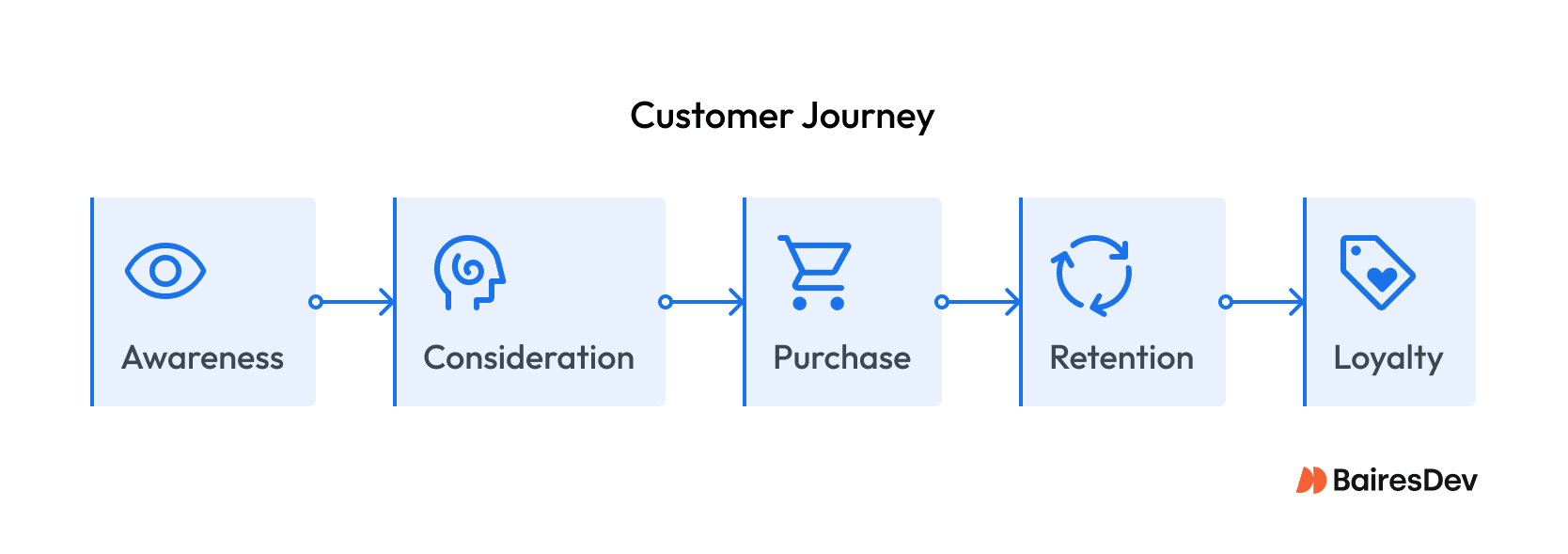
Automation doesn’t stop at acquisition. It supports customer retention by enabling lifecycle campaigns that nurture existing customers—increasing repeat purchases and long-term revenue.
Optimizing Revenue Growth
Importantly, marketing automation contributes materially to top-line growth. Many enterprises report that automation improves not only lead generation but conversion rates, customer engagement, and overall revenue influence.
Comparison of Leading Marketing Automation Platforms
Below is a comparison of widely adopted automation software based on strengths and enterprise fit.
| Platform | Strengths | Enterprise Fit |
| HubSpot | Integrated CRM and automation suite | Mid-market to large enterprises |
| Marketo | Advanced campaign orchestration and analytics | Complex enterprise needs |
| Salesforce Pardot | Deep CRM and lead scoring integration | Sales-driven organizations |
| ActiveCampaign | Excellent email automation and engagement | Growth-oriented teams |
| Oracle Eloqua | Enterprise-grade campaign orchestration | Global enterprise deployment |
This table helps guide platform selection based on organizational priorities rather than popularity alone.
Real-World Outcomes from Automation
Enterprise adoption of automation strategy frequently yields measurable performance improvements across functions.
Case Example (SaaS): A 1,200-person SaaS company reworked its campaign automation. Within six months, cycle time for campaign launches dropped by 40% and marketing qualified leads increased significantly.
Case Example (Manufacturing): A global manufacturing firm aligned marketing and sales efforts through automation, shortening the sales cycle and improving retention metrics through systematic lead scoring and automated follow-up.
Case Example (Retail): A national retailer automated cross-channel campaigns to better track customer interactions and saw improved customer engagement and revenue performance.
In many cases, these outcomes aren’t subtle—automation directly impacts both velocity and revenue predictability.
Best Practices for Successful Marketing Automation
Success isn’t automatic. These practices help enterprises harness automation effectively:
Start With Clear Goals
Define what success looks like—faster lead conversion, better retention, improved customer experience, measurable revenue influence.
Segment with Precision
Use quality customer data to create meaningful segments. Personalization is only effective with clean data and clear segment logic.
Measure and Iterate
Track key metrics: open rates, click-through rates, conversion rates, and lifecycle movement. Use data to refine workflows.
Balance Automation With Content Quality
Automation is a delivery system—not a replacement for compelling marketing strategy and messaging.
Avoid Over-Automation
Too many automated touchpoints can feel intrusive. Data-driven cadence decisions help maintain relevance without overwhelming prospects.
Growth Engines: Automation as Enterprise Infrastructure
For enterprises, successful marketing automation requires treating infrastructure as a product. That means robust integration patterns, shared data governance standards, clear ownership models, and ongoing measurement.
Investments in automation pay dividends when they feed into broader operational excellence—not just tactical execution. With adoption continuing to grow and investments rising, automation is no longer a differentiator but a baseline expectation for competitive performance.